


A fence line sags to the ground where someone once bothered to mend it. The farm gate is rusty and the post it clings to leans awkwardly, but nobody drives through.
Grass has come up thick to choke the wheel ruts and in the paddocks shrubs are everywhere trying to compete with the first thin trees.
From the road an abandoned field reads like healing, a return to nature, the very rewilding that so many suggest is a great idea.
Up close, it’s sad.
The hard number
In orbit are satellites that generate high-resolution imagery of the Earth’s surface. The UN Food and Agriculture Organisation (FAO) fuses data from these Sentinel-2 and Landsat systems with advanced machine learning to track long-term shifts in land cover.
Scientists analyse the spectral signatures of vegetation, looking for a distinct transition from the uniform, seasonal cycles of managed crops to the chaotic and uneven regrowth of natural shrubs and weeds.
So they don’t miscount fields that are fallow, they apply a strict temporal filter, requiring a field to show zero agricultural activity for a consecutive period of two to five years before it is officially classified as abandoned. This satellite data is then cross-referenced with ground-level agricultural census records to filter out land lost to urbanisation, resulting in a precise measurement of the leaky bucket of global arable land.
The hard number is that the FAO estimates that the area of croplands abandoned every year globally is approximately
3.6 million hectares
This rate has been consistent since 2001 and is equivalent to roughly 78 million hectares in a generation, which, if this were its own country, it would sit between Pakistan and Chile.
78 million hectares is well over twice the size of Germany and larger than the entire country of France.
On average, these fields are abandoned for ~14.2 years before being cultivated again or repurposed.
Even if these numbers are imprecise, they are directionally reliable, and they imply three things that don’t sit comfortably together.
First, land abandonment is real and large enough to matter. ‘Millions of hectares per year’ is not a rounding error, even if it feels like one. If you compare the 3.6 million hectares against the world’s 1.4 billion hectares of active arable land, we lose roughly 1 out of every 385 hectares to abandonment each year. Whilst this may not sound like a lot, it is cumulative and adds up over time. Plus, every hectare lost means another hectare in production must take up the food slack.
Second, this hard number has to go alongside the 2% growth in production for 30 years, the goal of doubling global food production by 2050 required to meet projected demand. 2% for 30 is shorthand used by food security experts to describe the minimum required productivity increase to feed a projected global population of nearly 10 billion people without further destroying natural ecosystems; a task that gets even harder as agricultural land is abandoned.
The third issue is that net change also hides churn. You can lose land in one category while expanding elsewhere. The 3.6 million hectares can seem modest, but it is a net number, so the systems can look relatively stable while relocating its footprint.
Again, the FAO and United Nations Convention to Combat Desertification estimate that the actual annual loss is roughly 10 to 12 million hectares of agricultural land every year just from land degraded through drought and desertification.
But roughly 5 to 8 million hectares of new land are brought into production annually. This is almost exclusively through deforestation where tropical forests are converted to soy or cattle pasture and encroachment into peatlands.
Much of the land that is degrading and abandoned was originally high-quality with established topsoil. The new fields come from low-nutrient, frontier land, typically cleared rainforest. This new land is less productive initially and declines in fertility faster, requiring massive chemical inputs to reach the same yield, making the ‘2% for 30’ growth target even harder to hit.
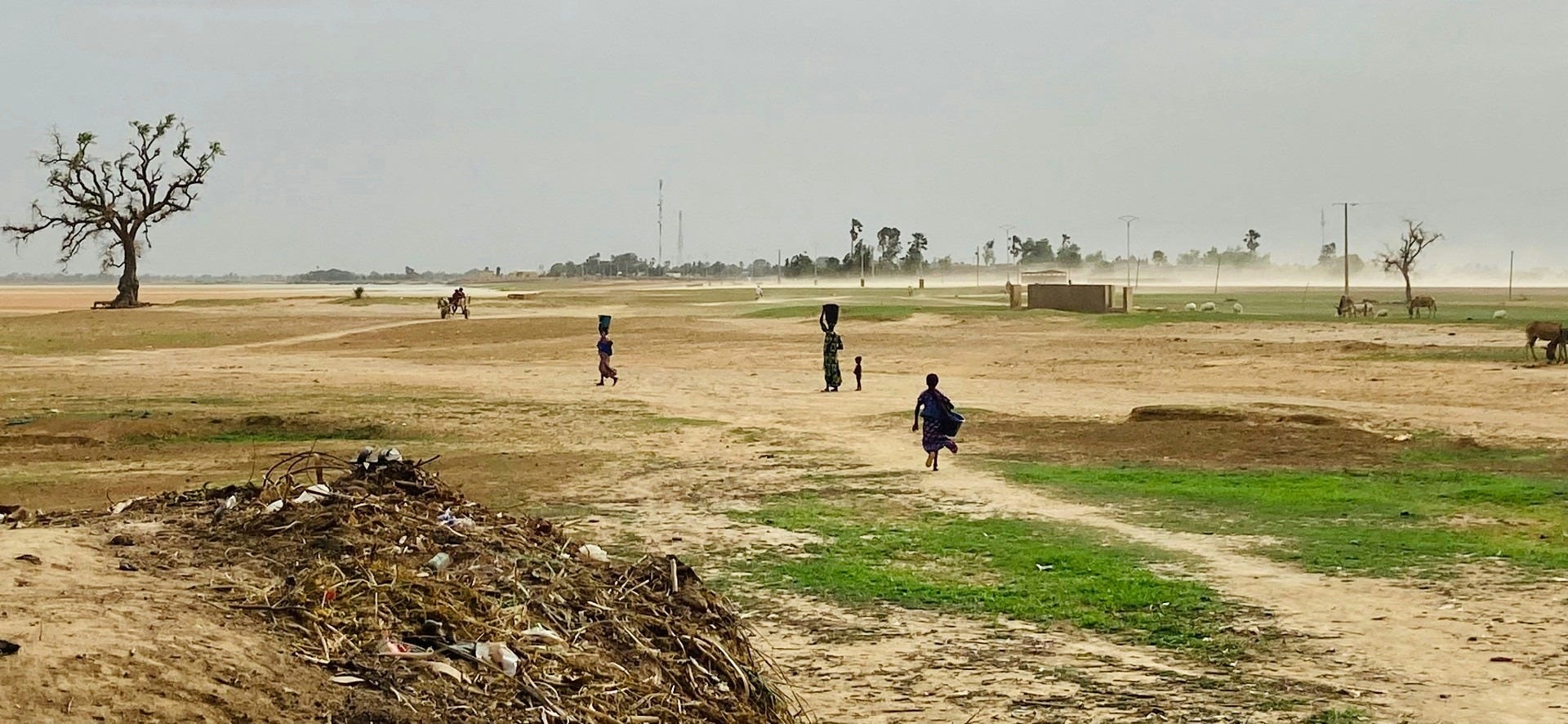
Abandoned doesn’t automatically mean recovered. If the average duration that land is not producing food is around a decade plus, then much of what looks like ecological return is a temporary phase. The land is not rewilded, it just goes out of production for a time that is long enough to matter but short for ecological succession and soil recovery.
As usual, the headline number of 3.6 million hectares of arable land abandoned per year is less informative than the mechanism of substitution underneath it. Abandonment can reduce pressure in one place while increasing it somewhere else. It can create carbon uptake in one landscape while shifting fertiliser-driven production to another. It can look like land sparing while functioning like land shuffling.
Framing the hard number
At 3.6 million hectares per year, the abstract becomes easier to hold if you slow it to a rate. That is roughly 9,900 hectares every day — which means that between the time you sat down to read this and the time you reach the end of it, somewhere between two and three thousand hectares of cropland will have formally exited production. Not degraded. Not stressed. Gone.
Nearly 63% of all European farms are under 5 hectares in size. Three thousand hectares can be plenty of farms.
Agricultural land abandonment is often framed as either failure introducing food insecurity or redemption as rewilding, but it is better understood as a predictable outcome of profitability interacting with ecological limits.
Some basic definitions are useful here because abandonment is holding on to a lot of meaning.
Agricultural land abandonment is land that stops being actively farmed for a period long enough to be classified as no longer in production. The practical problem is that idle can look like fallow, and both can look like shrubland from space.
Mechanistically, abandonment usually isn’t a moral choice or a single-cause collapse. It’s a marginalisation spiral, unique to each farm but with the general pattern that begins with ecological stress from single or combinations of salinity, erosion, nutrient depletion, heat or water stress, and slope that raises the cost of maintaining yields.
The necessary economic response requires more inputs, more machinery, more debt, more risk, while commodity prices remain volatile. The farmer or farm business become progressively more precarious.
Then, typically, a trigger event arrives, such as a subsidy change, family succession failure, price crash, illness, or perhaps a better job offer, after which exit becomes rational because the land is not dead, but it’s no longer worth keeping alive.
The named constraint here is the biophysical profit constraint. Farming is bound by soil, water, terrain, and climate, but it is also bound by whether those constraints can be overcome at a price someone can pay. When the cost curve crosses the market curve, land is quietly abandoned.
Fallow fields initially taken over by weeds and then slowly returning to nature is what you see at the end.
It’s helpful to see where it starts.
Behind the hard number
Modern farming is an engineering project laid over biology. Fuel, fertiliser, machinery, finance, seed systems, irrigation infrastructure, roads, storage, export terminals is a scaffolding built onto soil. Land gets abandoned when 1) that scaffolding becomes too expensive for the output, or 2) when the land’s biophysical limits demand inputs the farmer cannot fund, or 3) where the soil capacity is so eroded it cannot function to produce food at all.
In mature economies, subsidies, insurance, procurement rules, and trade policy are meant to keep farmers in business. In practice, they also decide which landscapes stay in production. If policy rewards scale, flatness, and exportable commodities, then small, steep, fragmented, or marginal holdings become systematically unfundable.
Abandonment becomes policy expressed as geography.
Analysis suggests that socio-economic drivers may account for roughly 60–70% of abandonment catalysts, with direct ecological failure as 30–40%, and the two are entangled anyway. A field or a farm can be healthy enough on paper, but the labour and time required to farm it becomes irrational when cities offer multiples of income for a lot less effort and stress. The land doesn’t have to fail for the logic to fail.
The comforting story has it that land gets abandoned, nature returns, emissions fall, biodiversity rises. These might be true and are fine, so long as everyone remembers there are several possible consequences and outcomes:
food still needs to be produced elsewhere
the land is re-cleared later
regrowth is interrupted by fire or development
displaced demand shifts to more fertiliser-intensive systems
abandoned land becomes a speculative asset.
In other words, rebound in environmental values is conditional.
Abandonment is not automatically land restoration. It is a land-use decision shaped by prices, policy, labour, and biophysical constraints. It is rarely a choice to rehabilitate.
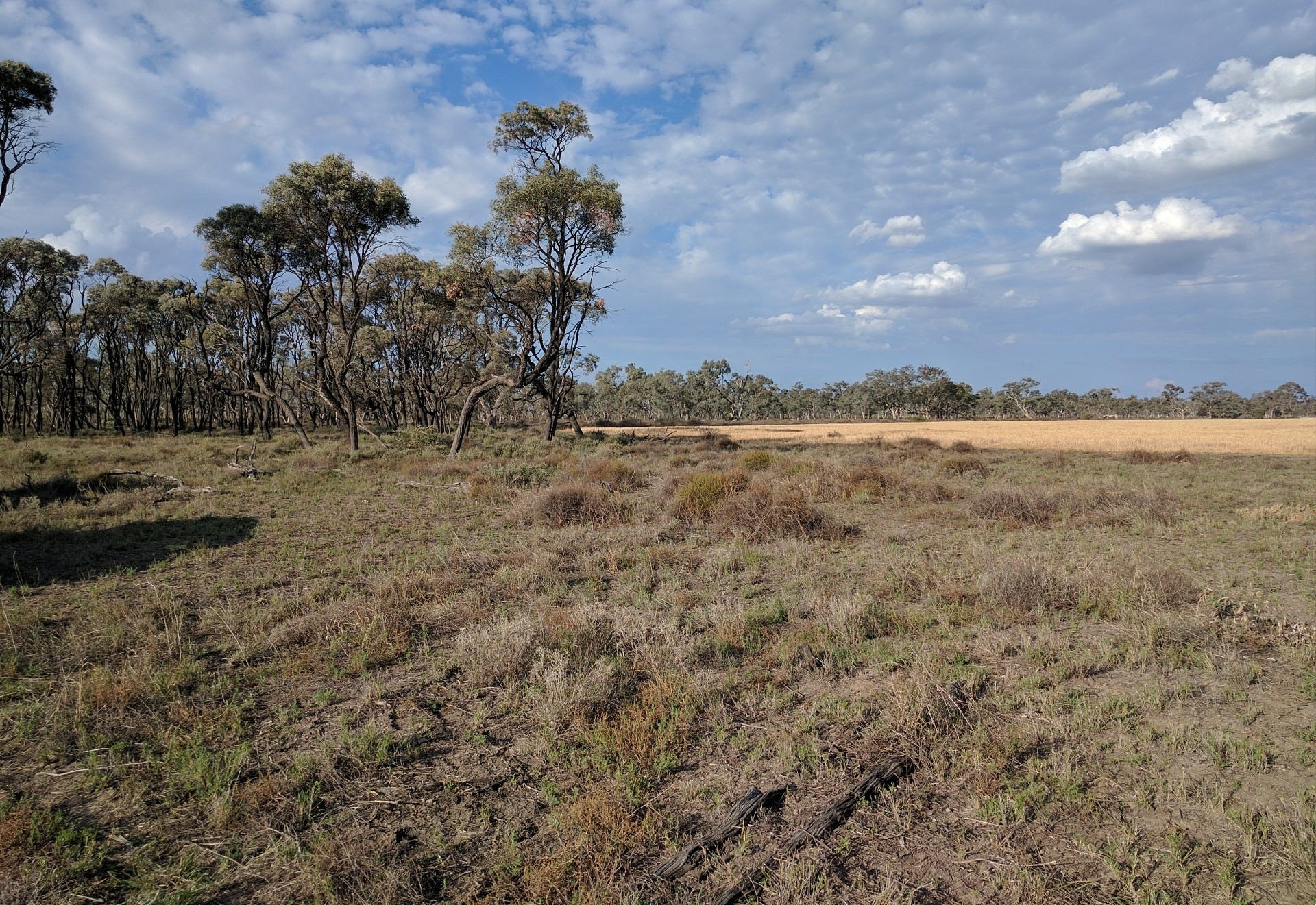
Clean metrics that imply clean outcomes are a delight. We will get the satellites to provide the images for us to count hectares saved, hectares restored, hectares abandoned.
Institutions repeat them because they travel well through reports, speeches, and ESG presentations. They also allow everyone to sound serious without confronting the constraint that agriculture is a competition between uses within landscapes, and landscapes are constrained by energy, water, soil, and the cost of overcoming those limits.
Instead of pragmatism around these realities, land abandonment becomes a convenient narrative prop for multiple tribes.
Progress narratives will say, look, pressure is easing.
Crisis narratives will say, look, we’re losing farmland.
Tech narratives will be typically upbeat and claim we can intensify elsewhere.
Conservation narratives will quietly be happy about land abandoned and say that rewilding is happening.
Each story can be partially true, but they collide unless someone does some full system accounting for what production moved, what inputs rose, what ecosystems took the substitute load, what happens after the average 14.2 years when the land comes back into play.
Not to mention what happens to the soil during that short rest.
People repeat the simple story because the complex one creates obligations. You have to specify boundaries, time horizons, counterfactual land use, and displaced demand.
Complexity is expensive.
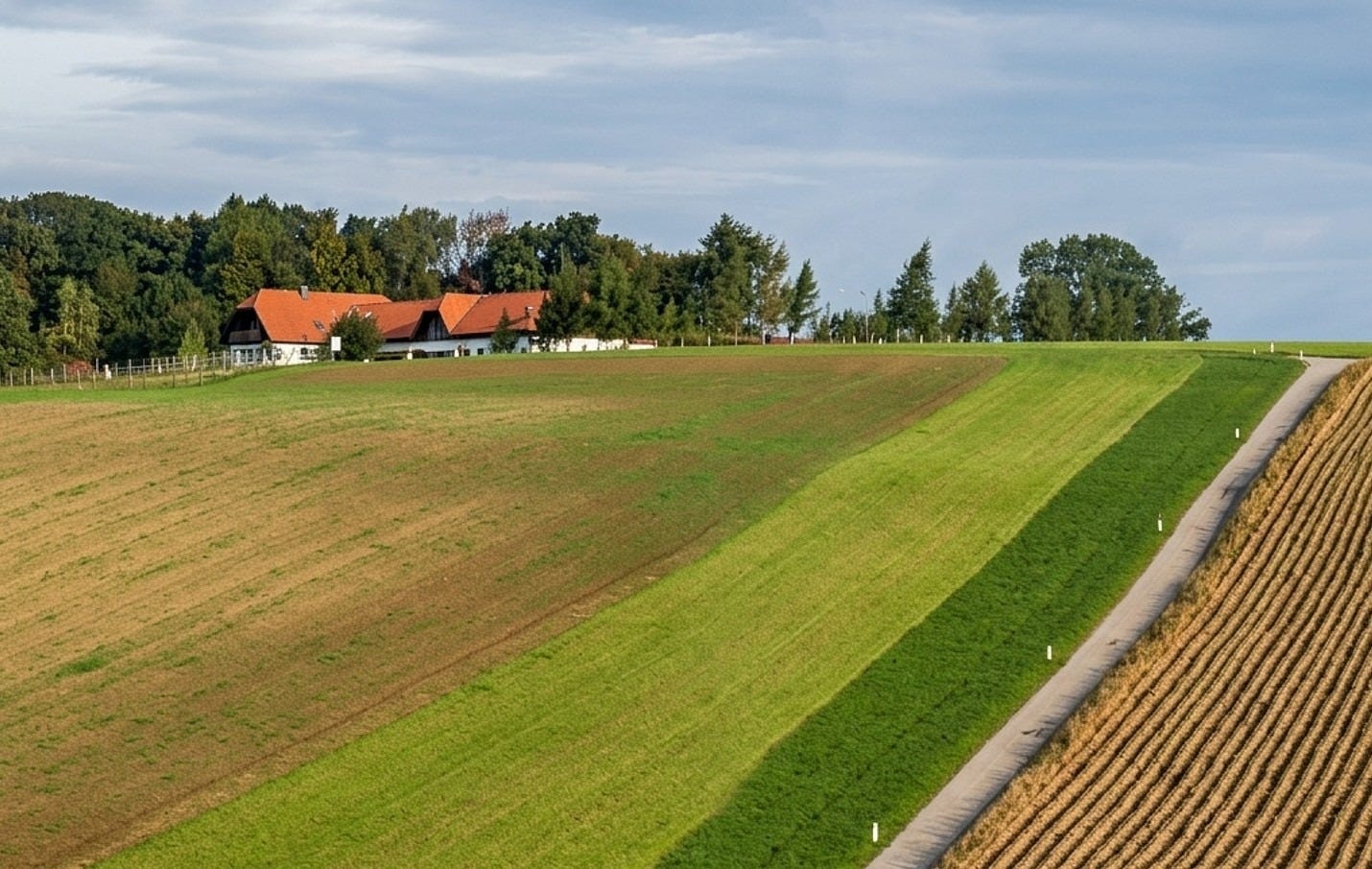
The Deeper Pattern
Abandonment is a signal, not a victory. In most cases, it marks the profitability constraint tightening past the point of viability. This means any policy that sidesteps soil, water, and labour realities will only buy some political theatre and perhaps a few votes, but not resilience.
Where abandonment occurs, the pressure for substitute clearing or intensification elsewhere is unavoidable. Not exporting the damage requires enforcement capacity and political appetite that are rarely available at the same time.
Many agricultural landscapes are constrained by the vagaries of the environment. Steep, salinised, water-stressed country will drop out earliest and keep dropping out. It is possible to plan for this eventuality, but we don’t.
Ecological recovery from agriculture is slow and conditional. Short-term abandonment will not reliably deliver the biodiversity or carbon outcomes that advocates promise. It is important to be honest about rewilding time.
Where institutions must report hectares lost, these numbers need context. What were the system boundaries? What replaced the production? What inputs changed? And what did the landscape look like a decade later? Even if measurement is hard and politically inconvenient, never leave a number alone.
Being A Mindful Sceptic
Pick a piece of land you know this week and audit it. Your region would do, or a food supply chain you depend on, a farm district you drive through, a paddock at the edge of town.
Write down in plain language what factor could cause that land to stop being farmed. Water scarcity, labour shortage, debt load, slope, salinity, or a policy shift are the candidates worth naming.
Then ask whether net production would fall if that land stopped producing, or whether somewhere else would simply pick up the slack. Carbon markets call this leakage. The question matters more than the term.
Work out what extra inputs would be needed to keep production going regardless. Irrigation, fertiliser, diesel, land clearing, freight distances. Put them on paper, so the true cost of continuity becomes legible.
Finally, ask what would have to be true for abandonment here to become durable recovery of soil health and productive capacity, rather than a pause in production. That last question is the hardest one, and it is the one most plans quietly skip.
Key Points
Agricultural land abandonment can resemble rewilding from a distance. Up close, it is usually the last visible stage of a profitability and constraints spiral, where margins thin, inputs rise, labour shifts, and exit becomes rational.
The headline hectares look decisive, but when land drops out in one region, demand does not politely disappear. It is met through expansion, intensification, or clearing somewhere else, so churn and substitution sit behind the tidy totals.
Abandoned is a loose word. In practice, it happens for long enough to unsettle communities and local economies, yet often too short and too conditional to deliver full ecological succession, durable biodiversity gains, or stable carbon outcomes.
A credible response treats abandonment as a signal, traces displaced damage, plans transitions for the most constrained landscapes, and is explicit about recovery time.
Back to the Front
The sagging fence and the quiet gate are not nature’s victory lap. They mark the moment a profit and loss account won a fight with a hillside, or a dry season, or a son who didn’t come back.
If we want abandonment to mean recovery, we have to treat it as a system and understand why the land was walked away from in the first place.