


TL;DR
We’ve trained ourselves to treat consumption as a proxy for worth. That makes economic contraction feel like moral failure filled with shame, status loss, social fracture. But dignity doesn’t have to ride shotgun with GDP. Across cultures and crises, people have preserved meaning and mutual obligation under constraint, especially when sacrifice is framed as shared, and the basics are protected. The task now is to separate dignity from throughput, and build simpler lives that don’t read as deprivation.
In September 1989, I was waiting for housing to be arranged as part of my appointment as a lecturer at the University of Botswana. It meant a lengthy stay at the Gaborone Sun Hotel in Gaborone, where I lived for over three months. Sundowners by the pool, tennis under floodlights, and endless dinners in the restaurant sound idyllic until it’s been going on for weeks.
My extended hotel stay was an early lesson in ‘Africa time’ and made me curious about folk who choose to live permanently in such places. What I would have given for beans on toast.
After what seemed like an eternity, I was allocated a flat in a new block a short walk from the Ngotwane River, more strictly, the dry riverbed opposite what is now the Riverwalk Shopping Mall. Back then, it was the municipal waste management facility and just a few kilometres from the Tlokweng border post with South Africa.
Recall that these were turbulent times in Southern Africa. Apartheid was clinging on, and Nelson Mandela was still imprisoned on Robben Island. Incursions into neighbouring countries by the South African military were happening to root out insurgents. At checkpoints in peaceful Botswana, security personnel waved AK-47s.
But it was also the beginning of an economic boom.
From 1980 onward, Botswana’s economy grew at an average annual rate of around 5–6%, making it one of Africa’s most celebrated development success stories. This growth was primarily powered by the discovery and export of diamonds. The industry was managed through a strategic partnership with the De Beers Group, founded in 1888 by Cecil Rhodes. The Botswana government reinvested mineral revenues into national infrastructure, education, and health services, but such were the revenues and fiscal discipline, the country accumulated substantial foreign reserves. The result was a dramatic transformation from one of the world’s poorest nations at independence in 1966 to a middle-income country within a few decades.
Among several initiatives in the 1990s, the government established the Pula Fund, a sovereign wealth fund, to save surplus revenues and help buffer against fluctuations in commodity prices. The policy environment, combined with an efficient public sector and relatively low corruption levels, earned Botswana high marks from international financial institutions, such as the IMF and the World Bank. All was rosy for the future.
When I arrived, Botswana had become a model for prudent economic governance in the region, and I benefited from their investment in education.
When I checked into the Gaborone Sun in 1989, there were three hotels in the town of 133,000 people. Today, there are 65 hotels, offering a diverse range of accommodations to cater to various preferences and budgets, including several five-star establishments, reflecting the city’s development into a regional business and tourism hub. The country has grown, and Gaborone from a dusty border post to a modern city with over 300,000 residents and a place unrecognisable as the British protectorate it once was.
Growth has slowed somewhat in the 21st century, and Botswana remains heavily reliant on the diamond sector, which accounts for over 80% of export earnings and a large share of government revenue. Efforts to diversify, especially into tourism, manufacturing, financial services, and agriculture, have seen only partial success. Moreover, income inequality remains high, youth unemployment is a growing concern, and the economy’s informal sector has expanded without adequate policy support.
But it’s difficult to deny the progress.
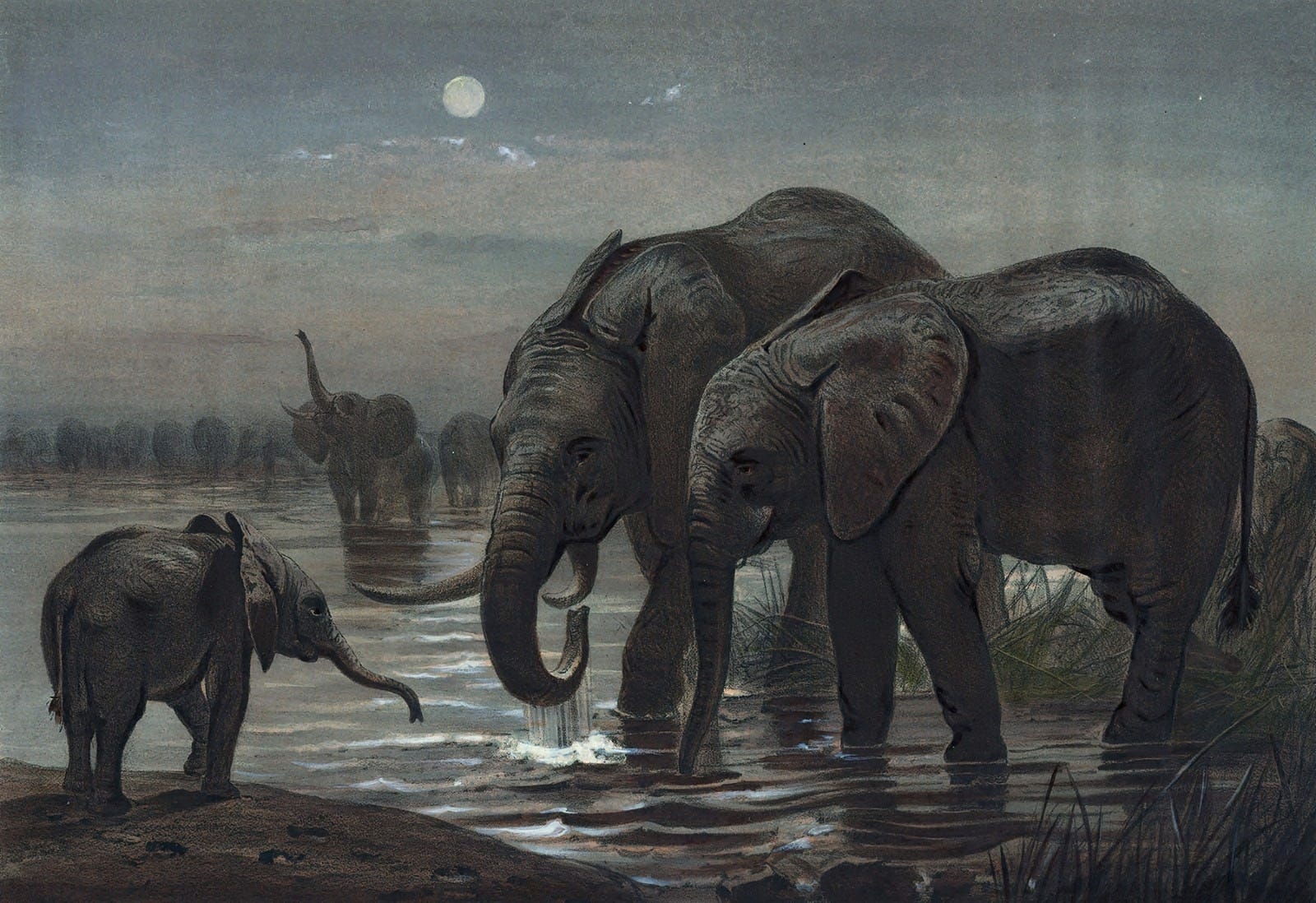
But what happens if the bottom falls out of the diamond market?
A sudden collapse in the diamond market, let’s say by plummeting global demand, synthetic diamond disruption, or geopolitical shifts, would hit Botswana like a dropped engine block. Export income would fall fast. The trade balance would weaken, the Pula would devalue, and inflation would follow as imports become more expensive.
Then the second-order effects show up. Government services tied to diamond revenues, particularly the larger infrastructure, education, and health projects, would run into hard budget limits, forcing spending cuts or deficits. Jobs in mining and the industries that orbit it, from transport to services, would be on the line too.
That’s how a commodity shock turns into a socioeconomic shock.
In the short term, Botswana’s foreign exchange reserves and low public debt allow it some room to absorb shocks; there is a buffer buys time. Over the long run, a diamond collapse would force acceleration into tourism, beef exports, financial services, and manufacturing. That shift needs strategic investment and policy support, and it has been tried repeatedly with mixed results.
Botswana does have real advantages here thanks to a relatively strong institutional base, low corruption, and regional diplomatic credibility. Those things help attract investment. But if the transition isn’t managed, the loss of diamond revenues could widen inequality, push urban unemployment up, and start to fray the social contract that has historically anchored Botswana’s political stability.
Botswana’s national identity and international reputation are tightly bound to its post-independence success story. Diamonds became the symbol of self-reliance and national pride. A sudden market collapse would put that collective dignity at risk by creating economic dependence on external aid, triggering mass unemployment, and undermining the developmental gains so closely associated with Botswana’s sovereignty.
And the damage wouldn’t just sit on a balance sheet. Losing jobs, services, and opportunity, especially for young people, can curdle into disillusionment and marginalisation. Mining towns like Jwaneng or Orapa, built around the diamond economy, could face economic ruin and displacement. For many citizens, the psychological hit could run deeper than the material one. The loss of dignity that comes with being unable to provide for your family, or contribute in a way that feels meaningful, is debilitating at best.
All of this could intensify social tensions, widen class divisions, and weaken the spirit of unity and moderation that has characterised Botswana’s politics. It would put heavy pressure on social cohesion and tradition, and on the dignity that people are rightly proud to possess.
Yet dignity is not solely defined by economic outcomes. Botswana’s history of transparent governance, rule of law, and peaceful democratic transitions gives it an advantage over many nations in responding with grace and determination to adversity.
The country’s strong civil service, cultural emphasis on dialogue (kgotla), and prior experience with economic planning could help morph the national narrative to adaptability, innovation, and collective effort. In this light, dignity can be sustained not by avoiding hardship, but by how a nation responds to it.
Botswana has a good chance of riding out a diamond market collapse. However, the future could be about contraction as easily as the last few decades have been about growth.
So here is the first premise for dignity under constraint…
Economic contraction is typically associated with loss of dignity and social cohesion.
Rising unemployment, wage stagnation, and business closures are the usual tells of economic contraction that can lead to recession, or worse. And the damage isn’t just financial. It’s psychological because employment isn’t only a paycheck. It’s also identity, purpose, and social standing.
It’s more than the money.
When people lose their jobs or live in long stretches of financial insecurity, the real hit is to self-worth and social dignity. Shame creeps in. Marginalisation follows. Personal agency shrinks.
And when resources feel scarce, the social fabric tightens in the wrong ways. Trust can turn into resentment. People look for someone to blame, or they disengage altogether. Inequality becomes sharper and more visible, and the story of shared prosperity gets replaced by fragmentation and survival. Communities that once ran on mutual support can start to show rising crime, political polarisation, and mental health crises; all classic signs of social cohesion eroding.
Nations with strong social safety nets, inclusive civic cultures, and responsive institutions can buffer the effects to a degree, and even emerge with renewed solidarity. But in general, the link between economic decline and the loss of dignity and social cohesion is supported both by historical patterns and contemporary social research.
For example, in the US and Europe, the economic collapse following the 1929 stock market crash led to widespread unemployment that peaked at around 25% in the US, with millions of people losing not only their jobs but also their homes and savings. Breadlines, homelessness, and the infamous Dust Bowl migration fostered a widespread loss of personal dignity. Formerly self-reliant workers found themselves relying on public relief or informal charity, often with deep shame. At the same time, trust in institutions plummeted and social unrest grew. In parts of Europe, the depression’s destabilising effects contributed to the rise of authoritarian regimes, as people sought strong leadership amid economic despair.
Greece’s prolonged recession after the 2008 global financial crisis saw GDP fall by 25%, with youth unemployment rising above 50%. Austerity, tied to bailout loans, landed in ordinary life as pension cuts, tax hikes, and shrinking public services. Dignity eroded in familiar ways. Professionals took menial work or left the country. Public health worsened. Social cohesion cracked as protests and riots spread, suicides spiked, and trust in both the government and the EU fell sharply. The political system shifted with it, marked by the collapse of traditional parties and the rise of populist movements.
The decline of manufacturing in places like the U.S. Midwest and Northern England produced a slower kind of damage. Factories closed, incomes fell, and the social structure weakened because it had been built around stable, unionised work. For many men, the traditional backbone of industrial labour, the loss landed as an identity shock as much as an economic one. Over time, the fallout compounded into intergenerational poverty, opioid epidemics (notably in the U.S.), and declining civic participation.
And when people feel abandoned, politics shifts. That same mood has been linked to support for Brexit in the UK and the rise of populist politics in the U.S. that are both signals of social cohesion fraying.
These patterns are real, but they are not inevitable. There are well-documented historical examples of societies maintaining or reinforcing their core values during times of material constraint, particularly when those values are deeply embedded and culturally resilient.
Historical examples exist of societies maintaining core values during material constraint
Economic hardship, war, or environmental scarcity do not automatically erode a society’s foundational values. In fact, such conditions can clarify and strengthen collective ideals, particularly when those values are tied to identity, survival, or a shared moral code. When societies have strong cultural narratives, religious frameworks, or civic traditions, these can act as stabilising forces that persist even when material abundance is lost. Values like solidarity, perseverance, honour, and communal responsibility have historically endured and, at times, flourished under duress.

Societies with rituals, oral traditions, and ethical systems often lean on them in hard times. They’re how norms get reaffirmed when the material story is going the wrong way. When leaders frame loss in moral or patriotic terms, rather than as individual failure, people are more likely to rally around shared sacrifice. And sometimes constraint pushes a reset in what “counts.” Stronger mutual aid networks. Wealth redefined in terms of relationships or wisdom. Even a revival of communal land management.
Even with bombings, rationing, and severe shortages, British society during World War II (1939–1945) held its core values and, in key ways, tightened them through social solidarity, stoicism, and democratic commitment. The Blitz spirit wasn’t just a slogan. It showed up as mutual aid in bomb shelters and in civil defence efforts. Rationing held because it was seen as fair, equitable, and necessary. Rather than fraying under pressure, national identity and social cohesion were reinforced, helping set the stage for post-war reforms like the creation of the National Health Service and the welfare state. Those values endured because they were continually reaffirmed through shared narratives, leadership, and collective sacrifice.
Facing extreme material deprivation, forced displacement, and systemic violence, many Jewish communities in Eastern Europe preserved core religious and cultural values across centuries. Even in ghettos and concentration camps, people sustained ritual practices, education, and ethical codes, often clandestinely. The Talmudic emphasis on learning, mutual responsibility (tzedakah), and remembrance created internal cohesion even as external structures collapsed. Cultural memory and religious observance became tools for survival, carrying identity and values forward amid existential threat. That resilience later shaped post-Holocaust reconstruction of Jewish life and cultural continuity in diasporic communities.
The Zapatistas, emerging from one of the poorest regions in Mexico, have faced ongoing material constraints while sustaining a value system built around indigenous autonomy, participatory democracy, and resistance to neoliberal exploitation. Since their 1994 uprising, they have built alternative governance structures rooted in communal decision-making, gender equality, and anti-capitalist values. Despite economic marginalisation and political pressure, the core ideals have held through local institutions, collective farming, and educational programs. The values endure in part because they are not only argued for. They are practised daily in autonomous zones, intertwined with local identity and historical memory.
These examples suggest that core values can survive and thrive under constraint, particularly when collectively owned, continually enacted, and closely tied to a sense of identity or justice.
So what is it about modern societies in the West that are nominally wealthy, with abundant technology, services and have the ability to support basic needs?
Current conceptions of dignity and worth are excessively tied to consumption patterns
In modern capitalist systems, individual dignity and social status are frequently associated with the ability to consume through fashion, housing, technology, travel, and lifestyle branding. This is not merely about material need, but about symbolic value. What I buy and display becomes a stand-in for who I am.
Social media has intensified this linkage, as platforms serve as curated showcases of consumer choices that signal taste, success, and belonging. Consequently, my self-worth becomes entangled with my ability to participate in visible forms of consumption, creating a precarious identity rooted in economic access rather than intrinsic or communal values.
On a personal level, this consumption-centric notion of dignity affects me significantly. I may experience shame, inadequacy, or exclusion when I cannot afford or access certain goods, even if my basic needs are met. On a societal level, it fosters competition, status anxiety, and environmental degradation, as consumption becomes both a measure and a means of validation. Furthermore, it tends to marginalise those who value frugality, simplicity, or non-material forms of worth, such as caregiving, creativity, or spiritual life, which are harder to commodify or display.
Historically and cross-culturally, dignity has often been grounded in virtues like honour, integrity, craftsmanship, or social contribution. In contrast, current consumerist paradigms are relatively recent and culturally specific, shaped by marketing industries and economic models that depend on perpetual growth. I am a victim of consumerism even as I behave like one.
The overreliance on consumption to define self-worth is thus not inevitable but constructed, and potentially reversible. Alternative value systems are proposed in movements like degrowth, minimalism, and post-growth economics. These seek to re-anchor dignity in sufficiency, sustainability, and relational well-being rather than material accumulation. I could overcome nurture and do something different.
Communal and spiritual traditions offer alternative frameworks for human dignity
Many traditions, across cultures and periods, have consistently emphasised intrinsic human worth, mutual responsibility, and connection to something greater than the self. For example, Indigenous philosophies often centre dignity in relationships to land, ancestors, and community, rather than economic status or consumption. Similarly, religious traditions such as Buddhism, Christianity, Islam, and others commonly uphold all people’s sanctity and inherent dignity, regardless of their material standing, anchoring human value in compassion, humility, and shared spiritual identity.
I may be told, I consume, therefore I am, but the alternatives could provide more resilient moral structures in times of hardship. When material resources are scarce, communal and spiritual traditions can reinforce social cohesion and meaning, offering rituals, narratives, and ethical codes that affirm dignity through service, solidarity, and belonging.
As societies seek responses to inequality, climate disruption, or economic contraction, turning to these alternative frameworks can help reimagine human dignity in ways that are both enduring and inclusive. And we don’t have to look far to find them. Many are well known.
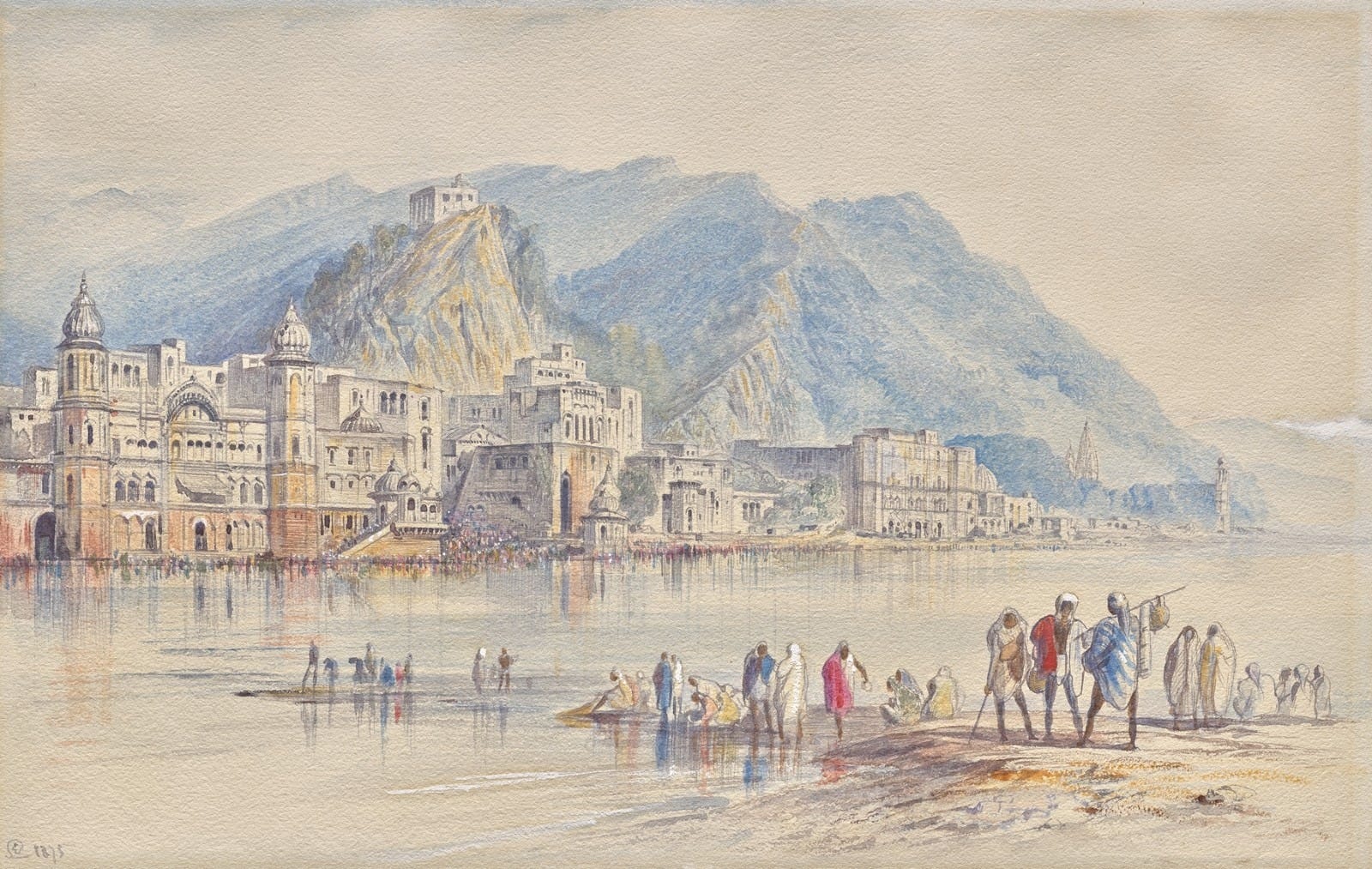
Mahatma Gandhi’s philosophy of swaraj (self-rule) and sarvodaya (the welfare of all) explicitly rejected the idea that dignity arises from wealth or consumption. He advocated for simplicity, self-sufficiency, and the moral integrity of labour, especially manual and local production. For Gandhi, dignity came from aligning one’s life with truth (satya) and nonviolence (ahimsa) and participating in community life without exploitation or excess. His symbolic use of homespun cloth (khadi) directly challenged the colonial and capitalist logics of identity through imported goods. Even today, aspects of Gandhian thought persist in India’s ethical and ecological movements, offering a value system centred on restraint, responsibility, and spiritual purpose.
Ubuntu is a relational worldview across many Southern African cultures, summarised by the phrase “I am because we are.” Dignity in Ubuntu arises from social interdependence, empathy, and mutual recognition rather than individual accumulation. Worth is located in one’s capacity to be humane, generous, and integrated within a community. This worldview resists the idea of consumption as a status marker; instead, it emphasises shared resources, communal decision-making, and the moral obligations of being human. In post-apartheid South Africa, Ubuntu was used to help frame reconciliation, justice, and social healing. Without the philosophy of Ubuntu, the Truth and Reconciliation Commission (TRC) would have been a cold, legalistic transaction, essentially a get-out-of-jail-free card, rather than the spiritual and social glue that held a fragile South Africa together in the 1990s.
Emerging in response to climate breakdown and social inequality, degrowth movements push back on the idea that more consumption automatically means better lives. They argue for a different definition of prosperity, one anchored in well-being, leisure, ecological health, and care work.
Think of it as a values shift. Philosophers and economists like Serge Latouche and Kate Raworth make the case that dignity can be revalued through sufficiency, cooperation, and ethical restraint. In practice, that shows up in degrowth experiments like Transition Towns or community economies, where value is placed on time, mutual aid, and low-impact living rather than material throughput.
The claim is that dignity can flourish inside systems that honour planetary limits and measure success in non-consumerist terms.
All this is at odds with the neoliberal growth paradigm, but by separating dignity from consumption, we can develop models of meaningful, connected lives that thrive within planetary boundaries rather than despite them. And we are going to have to find these models of meaning because scarcity is coming and with it a loss of dignity.
Political movements that ignore dignity concerns inevitably face resistance
Dignity starts with a simple idea that people have inherent worth, and they have a right to be treated with respect. It’s a core human need that cuts across culture, class, and ideology. When political movements ignore that need through humiliation, exclusion, paternalism, or exploitation, they often trigger backlash. Not because dignity is some abstract moral add-on, but because it’s a political force. When people feel dishonoured, overlooked, or dehumanised, they are more likely to organise, protest, or reject imposed authority. Sometimes that resistance is quiet, like withdrawal or non-compliance. Sometimes it’s overt, like uprisings or revolutions. Which one shows up depends on the context and how deep the violation feels.
History and the present tell us that even movements with materially beneficial aims can fail if they trample on dignity. Colonial regimes, for example, justified their rule as development or civilisational uplift, yet they provoked fierce resistance because of the indignities of subjugation and cultural erasure. The same logic appears in technocratic governance. When policy is imposed without consultation, public pushback can follow not necessarily because the policies are harmful, but because people are denied agency, voice, or recognition. In democratic settings, populist movements often gain traction by speaking to groups who feel elites have ignored or degraded their dignity.
And dignity-based resistance isn’t automatically reactionary or conservative. It can also power emancipatory change. Civil rights movements, Indigenous land struggles, feminist revolutions, and anti-austerity protests often place dignity at the centre, both as the grievance and as the goal.
The lesson is that durable, legitimate political movements have to account for more than material interests. They also have to reckon with the symbolic, emotional, and ethical dimensions of belonging, recognition, and respect. It also brings the final premise…
Models of dignified simplicity can be developed across cultural and political divides
The idea of dignified simplicity taps into a shared human intuition found across philosophical, religious, and civic traditions. A good life need not be a materially abundant one, and that self-restraint, balance, and purpose can form the basis of dignity.
Contemporary consumer culture often treats simplicity as lack or failure. Many societies read it differently. They see simplicity as integrity, harmony, and autonomy. The dignity comes from choice that is affirmed, not imposed. And it carries social and ethical value rather than stigma.
Across big cultural and political differences, plenty of traditions offer ways to name and practise dignified simplicity. In Buddhist and Taoist thought, simplicity points to clarity and non-attachment. In Christian monasticism, it links to humility and service. Indigenous knowledge systems often foreground balance with nature, communal resource-sharing, and a sufficiency ethic grounded in kinship and reciprocity. Even in modern secular settings, voluntary simplicity, slow living, and the commons revival show people reimagining well-being with fewer material demands.
These expressions can sit alongside each other and cross-pollinate. That is the point. Dignified simplicity is not a single formula. It is a flexible, intercultural ethic.
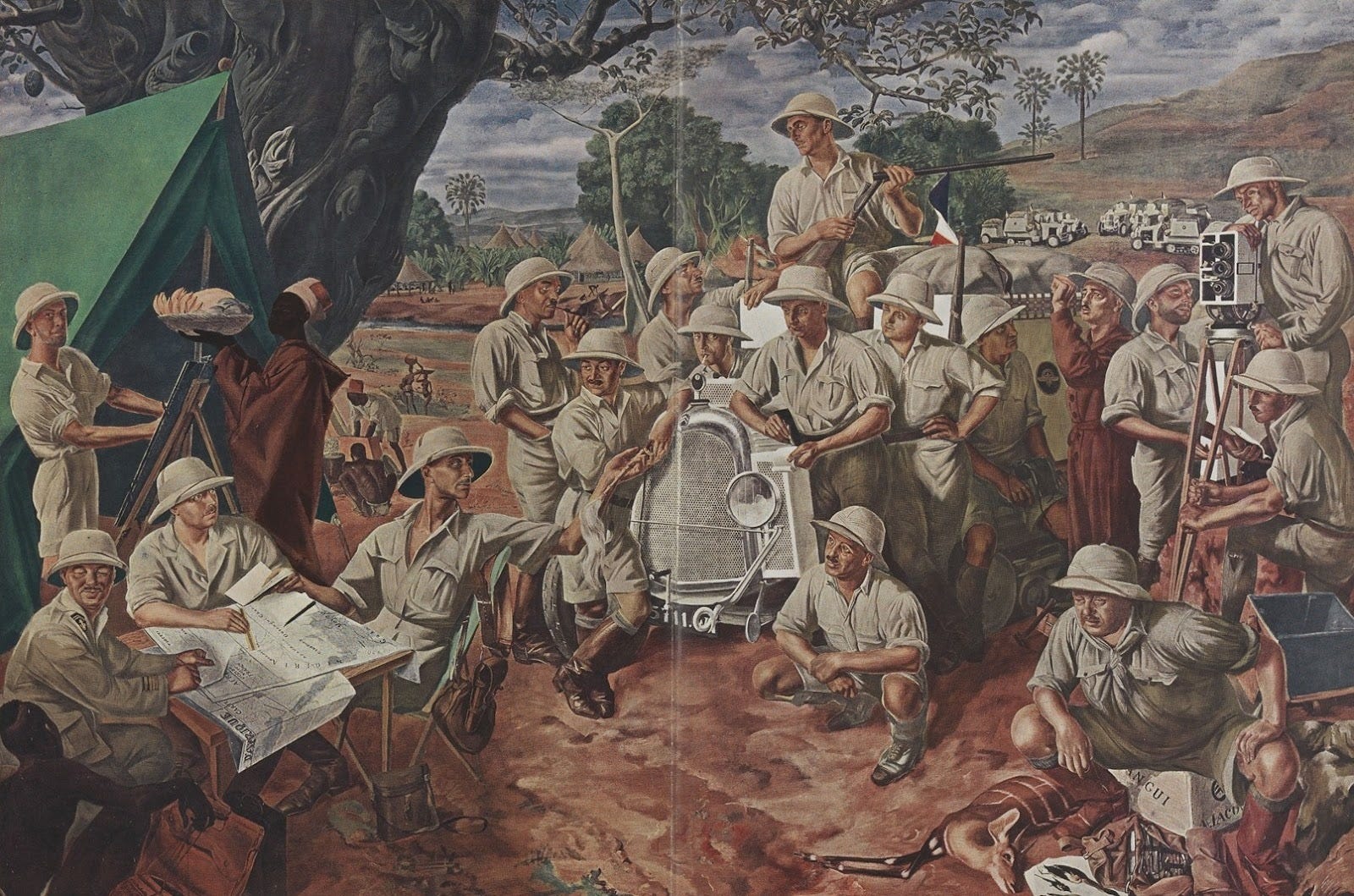
Again, we know what to do. Models suitable for transitions in modern life are possible, and many examples already exist.
Politically, the challenge is to develop enabling conditions for dignified simplicity from secure housing and universal healthcare, to food and time sovereignty. This ensures that simplicity is not conflated with deprivation.
The conversation is moving toward a cleaner question. How do high-income societies reduce overconsumption while still affirming dignity for all?
If that alignment holds, it points to a different kind of universalism. Not one built on sameness or affluence, but one grounded in shared values of care, humility, and interdependence.

The journey from abundance to constraint need not be a narrative of loss. As we’ve seen through historical examples and cultural alternatives, human dignity can not only survive but potentially flourish when separated from excessive consumption.
If the modern equation of dignity with consumption is neither inevitable nor universal, then we are at a pivotal moment of choice. The anecdotes we have examined, from wartime Britain to religious communities under persecution, from Gandhi’s philosophy to contemporary degrowth experiments, suggests that human dignity is remarkably adaptable. It can attach itself to consumption when resources are abundant, but it can also flourish through connection, contribution, and meaning when materials are constrained.
That creates a real opportunity inside the polycrisis facing humanity. If we reconnect dignity to more durable foundations like relationship, meaning, contribution, and care, we may find forms of well-being that are more resilient to the material fluctuations that increasingly shape our world. This is not just philosophical musing. It is practical adaptation to the reality of planetary boundaries.
For individuals, this means cultivating what philosopher Kate Soper calls alternative hedonism by finding pleasure and purpose in simpler, less resource-intensive activities. For communities, it means revitalising shared spaces, mutual aid networks, and cultural practices that affirm worth beyond wealth. For policymakers, it means designing transitions that protect fundamental needs while creating conditions where dignified simplicity becomes viable for all.
When I lived in Botswana through the 1990s, I witnessed a society navigating the delicate balance between newfound prosperity and traditional values. The Batswana, should their diamond economy falter, possess cultural resources to navigate this transition. They can lean on their traditional kgotla system of community dialogue, their history of prudent resource management, and their relatively recent memory of simpler living before the diamond boom.
The richest material societies in history have not necessarily been the most dignifying for all their members. As we face ecological limits, we have the opportunity to build societies that may consume less but distribute dignity more justly and durably. This is not a utopian fantasy but a practical imperative, drawing on humanity’s remarkable capacity to create meaning when faced with constraint.