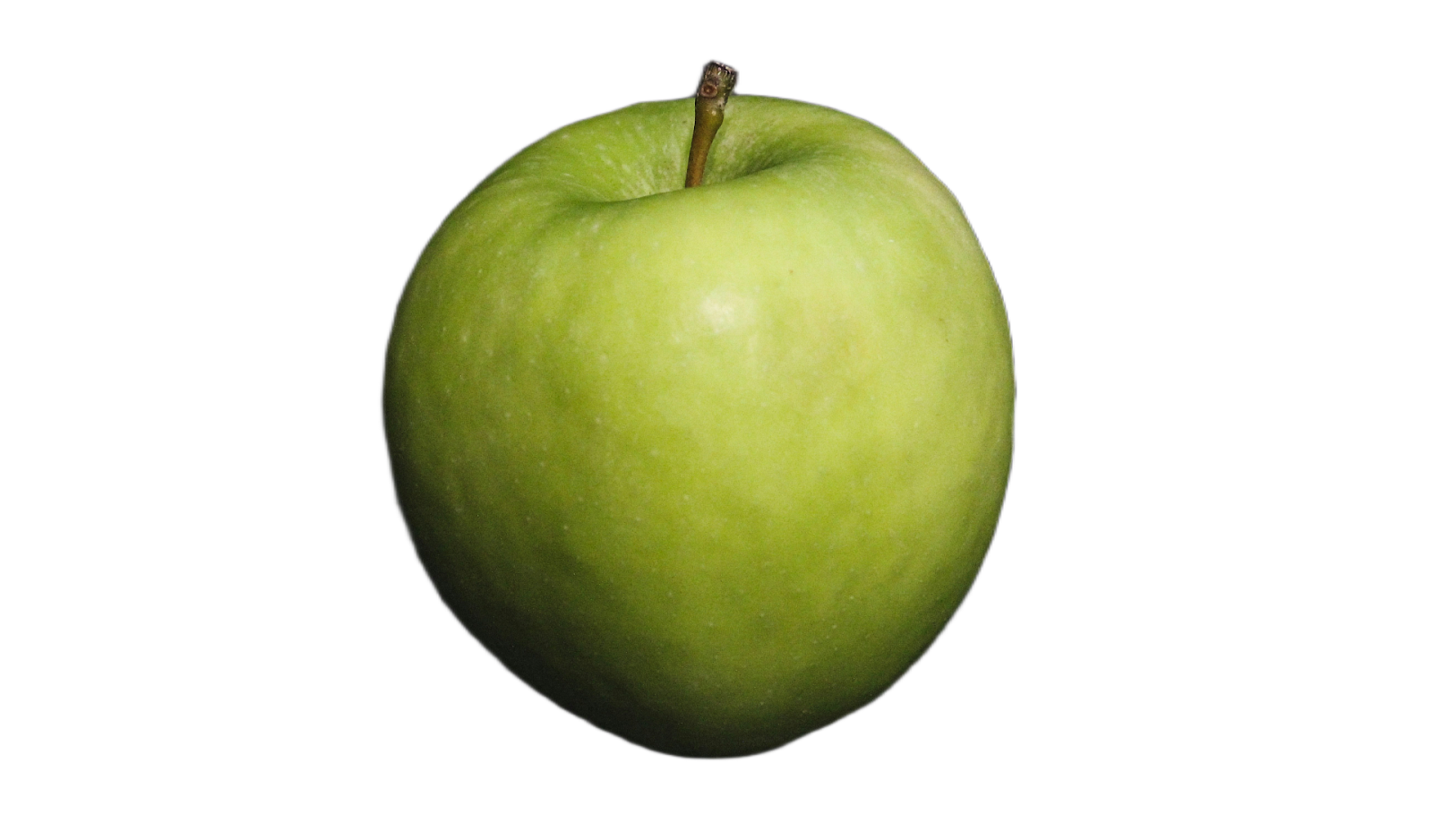
Suppose I follow the nutritionists’ recommendations and eat an apple a day.
Sounds very sensible. Apples deliver plenty of natural sugar and nutrition, and fortunately, I have an apple tree in my garden.
Coincidentally, just as I am reminded of the recommendation, a crop of apples is maturing on the tree. For several weeks, I’m able to go outside, pick an apple from the tree, and eat one a day.
The first few are small and tart, but they get bigger and sweeter as the apples reach full maturity when starches in the fruit have largely converted to sugars, and the colour and flavour are at their peak. This is a small window of ripeness when the fruit remains firm, juicy, and aromatic.
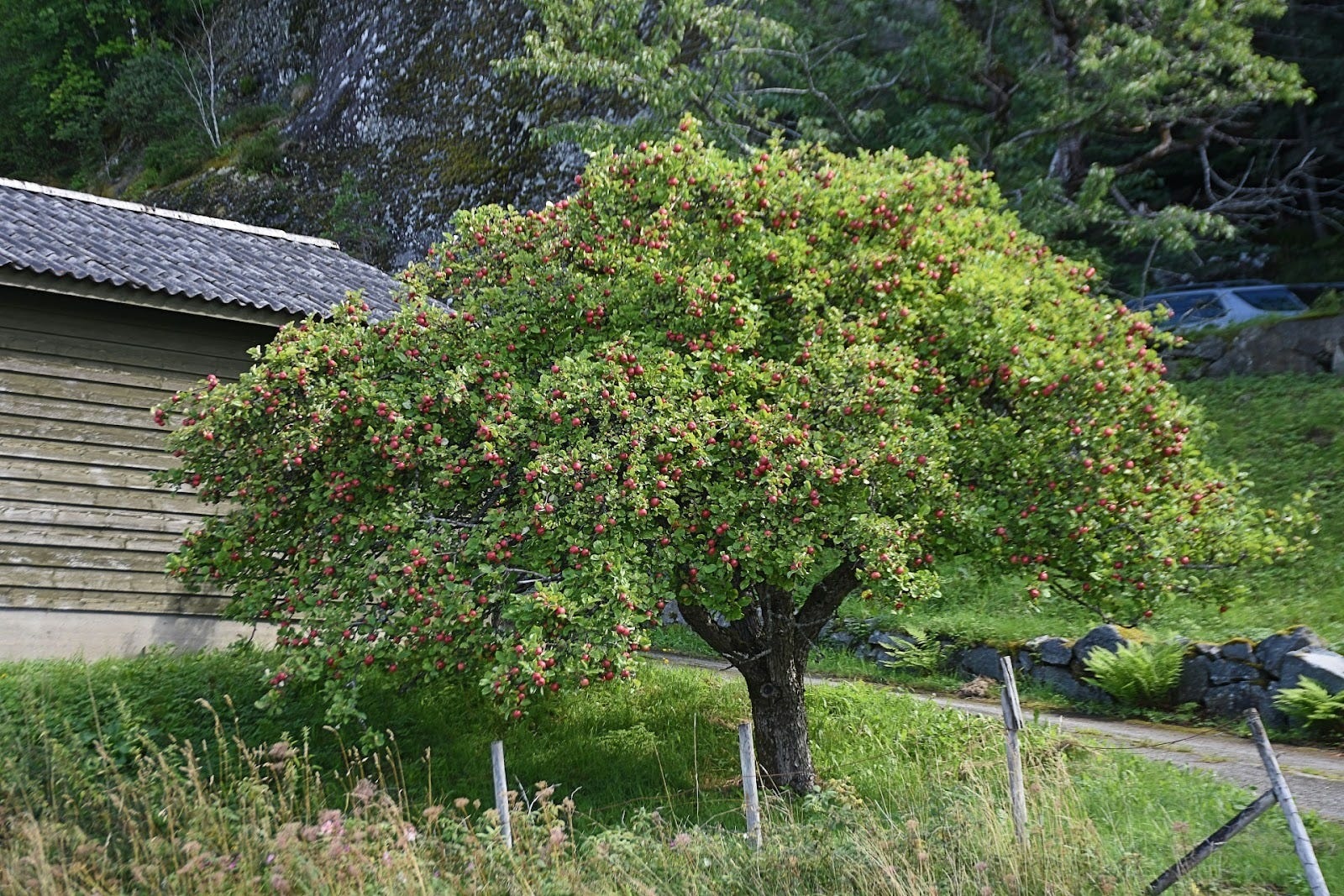
Fortunately, apples don’t all ripen at the same time, even on a single tree. Mine is a late-season Granny Smith, and the crop pulls at the branches for 2 to 3 weeks.
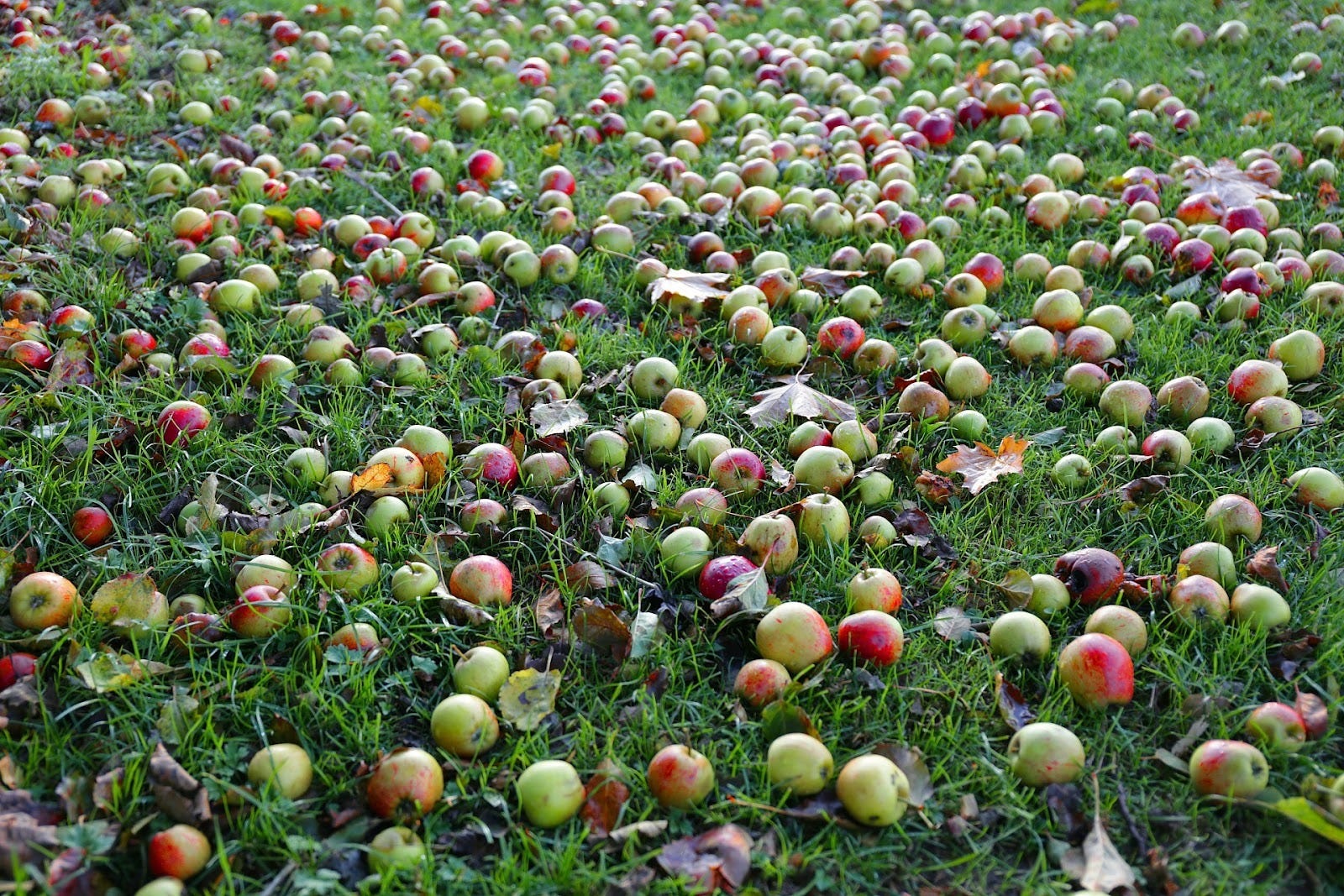
Soon enough, though, all the apples are fully ripe and begin to fall to the ground. Many spoil as they are pounced on by a myriad of creatures also looking for nutrition, not to mention the microbes and fungi waiting their turn.
I rush out, gather the apples that are yet to fall, and store them in a dark place. Gathering gives me my apple a day for another few weeks, but soon enough, the stored apples will rot, and all through winter, I’ll struggle with no apples at all.
If my source of apples is a tree in my garden, the diet recommended of one apple per day is unsustainable… it doesn’t continue indefinitely.
Future apple crops
The lifecycle of an apple begins in early spring when the tree blossoms.
Each blossom contains the potential to become a fruit, but only those successfully pollinated by bees or other insects transferring pollen between flowers develop into apples. Once pollinated, the flower’s ovary starts to swell, and the petals fall away, leaving behind a tiny green fruit known as a “fruitlet.”
During the next several months, the apple undergoes rapid enlargement driven by cell expansion and the accumulation of sugars, starches, and water. Sunlight exposure is crucial during this period, as it drives photosynthesis, allowing the tree to convert energy into the sugars that give apples their characteristic sweetness.
Meanwhile, pigments such as anthocyanins and carotenoids begin to form, giving my apples their distinctive green hues.
By late summer, the apples reach physiological maturity. If the early fruits are not taken by birds, then the apples will come again. I’ll need to wait for the fruit to mature, but then my apple-a-day routine can return, at least for a time.
If I feed the tree with nutrients, prune it diligently, water it in the dry times, and generally attend to its silviculture, it could give me a lifetime of apples every autumn. But I will have to pay attention.
My Granny Smith tree, like most apple cultivars, needs nutrient support that evolves with age and season. Nitrogen (N) is crucial for leafy growth and fruit development, particularly in spring; phosphorus (P) aids root establishment and flowering; and potassium (K) supports fruit size, sweetness, and colour. For my mature tree, soil tests tell me it needs around 5 kg of balanced fertiliser every year.
Organic matter is important too, so I apply well-rotted compost or manure each autumn to enhance soil structure, moisture retention, and microbial life. And because micronutrients like boron, zinc, and magnesium are also vital, especially for fruit set and the neat round apple shape, I spray the tree with fertiliser during early leaf growth.
If I do all these things routinely every year, apple production by my tree may be considered sustainable, even though my eating one apple a day is intermittent.
Eventually, though, the tree will come to the end of its life. And despite the care and attention given, it will die.
Unless the aging apple tree is replaced with a sapling, perhaps by my grandchildren or great-grandchildren or some future owner of my garden, the long-term production of yearly fruit will not be sustainable.
Infinite production
Apples are a trite example, but it illustrates the problem we face if we take sustainability to be what people seem to want it to be—production that is infinite.
Very few processes in nature persist in this way.
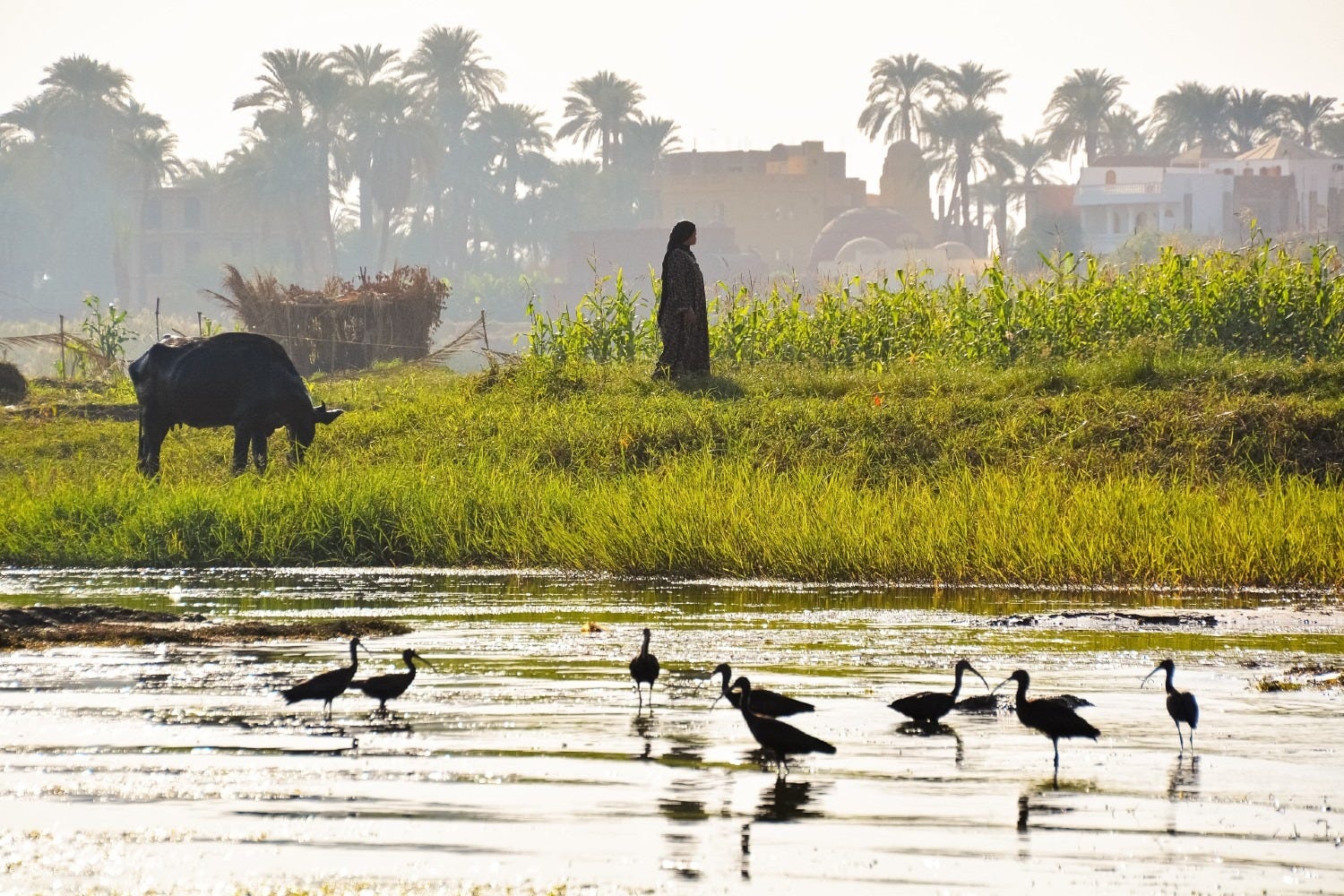
Some can appear sustainable over human lifetimes and from our frame of reference. Ocean upwellings, great migrations in Africa, and seasonal cycles of production in temperate climates seem to be ongoing forever. The ancient Egyptians could never have imagined that the floods would stop.
And there is justification from nature.
Photosynthesis will go on forever, decomposition will go on forever, so the broad cycling of nutrients and carbon through the system is inevitable.
The problem is that ecological processes that result in what humanity defines as goods and services are not truly sustainable in the very long-term. Most ecological processes don’t continue forever in any one place at the desirable rate, especially when manipulated to deliver specific products.
What this means is that food production, like my apple a day habit, is not sustainable either, especially at the scale demanded by 8 billion people each needing over 2,000 kilocalories and nutrients every day.
Ecosystem services can be finite
The process of food production involves the channelling of primary and secondary production into certain products that humans use as food. Typically, this is the seeds, fruit, leaves and tubers of plants and the meat, eggs and milk from animals.
This bends the genuinely sustainable process of primary production that is built around diversity and substitution of plants and animals, into a handful or a single commodity in a given space.
Instead of many organisms competing and developing symbioses to create a myriad of links and transfers that move nutrients and energy around, agriculture concentrates into a handful of linkages.
The apple orchard is a simplification of nature.
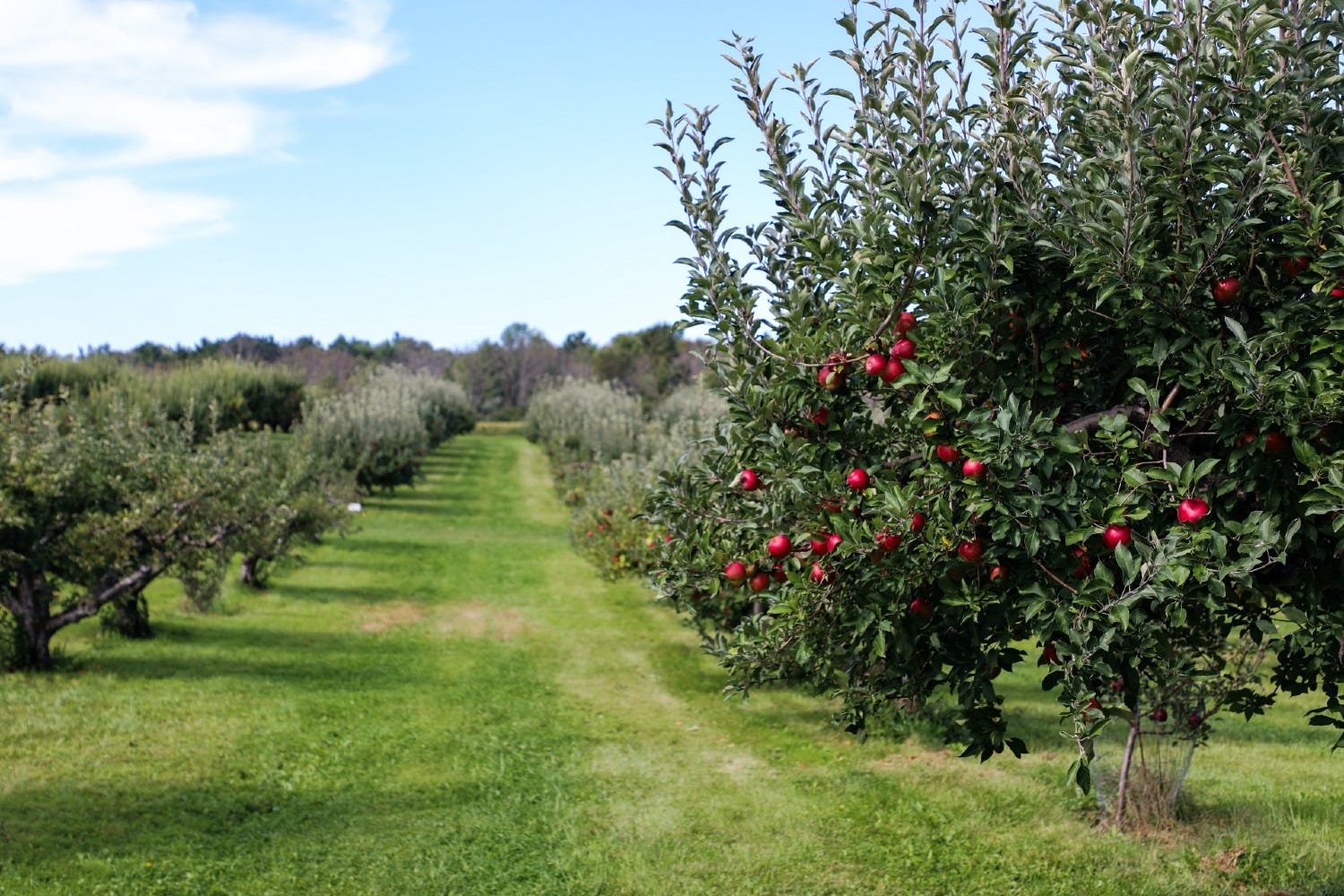
Ecology is sustainable. It will always happen. But ecology that’s manipulated in a particular direction by humans to a specific outcome, not so much. Simple transfers tend to reduce resilience and risk shortages or blocks when the natural control offered by multi-species competition is removed.
Nature will always persist, but manipulations of nature are not sustainable when they simplify the complexity or rely on external subsidies.
Relevance to Mindful Scepticism
Raw nature is dynamic and constantly changing in response to conditions, interactions between organisms, and disturbance. But it always keeps going through organisms that produce, consume and decompose.
Nature that is constrained and focused, as it is in an agricultural production system, loses much of that dynamism that delivers resilience and persistence of primary production. And because humans are constantly constraining nature, we effectively prevent sustainability in many critical ecological processes.
We do this for immediate gain that may last generations, as in the apple example, but ultimately, the longevity of production is compromised because we have turbocharged plant and animal production to meet our needs.
The apples that fell to the ground weren’t spoilage. They were the orchard working as designed, feeding creatures we never counted.
Making ecology work faster is like forcing an engine past redline. Sooner or later, a component fails.
What humans do with nature is never sustainable. We figured that out early on in the story of agriculture, and then chose subsidy over cycle.
Such a realisation is profound, and now you know the answer to the question in the title.
Mindful Momentum
Three options this week for applying some mindful momentum to your everyday.
The One-Week Apple Test… For one week, track a single food item you consume regularly. Note where it comes from, how it’s produced, and what inputs (water, fertiliser, transport) sustain its supply. At the end of the week, ask yourself this. If I ate this every day for a decade, what would need to remain constant? What would inevitably change?
The Garden Test… Find something in your immediate environment that produces regularly, perhaps a fruit tree, herb garden, potted plant, or even a neighbourhood park. Visit it three times over two weeks. Note what it needs to keep producing from water and pruning to soil health and replacement of dead growth. On your third visit, ask yourself how long could this continue without external input? What would have to change for it to persist another decade? Another century? Record your observations without prescribing solutions. The goal is to see the subsidy, not solve it.
The Fallen Apple Practice… Next time you encounter something labelled “waste”, for example, bruised fruit at the market, food scraps, packaging, fallen leaves, pause for 30 seconds. Now ask yourself, waste for whom? If I weren’t trying to extract one specific thing from this system, would this still be waste? Try this three times in one week. Notice whether your definition of waste shifts when you stop measuring value by human use alone.
Key points
Sustainability-as-infinite-production is a human construct, not a natural state; most ecological processes don’t persist at desirable rates in any one place indefinitely.
Agriculture simplifies ecological complexity, reducing resilience and requiring external subsidies (fertiliser, water, energy) to maintain production.
Even well-tended systems, like a backyard apple tree, eventually reach their end; long-term production depends on replacement and renewal, not perpetual yield.
What humans define as “goods and services” from nature are finite; the broader cycling of nutrients and energy persists, but specific outputs we value do not.
Curiosity Corner
What this issue is about…
An apple tree in a backyard reveals the gap between what we want sustainability to mean (infinite production) and what nature actually delivers (finite cycles requiring renewal).
Here are some better questions…
What if sustainability isn’t about making systems last forever, but knowing when to let them end? Better because it reframes the goal from perpetual yield to adaptive renewal.
How much ecological complexity can we remove before a system stops being resilient? Better because it shifts focus from production volume to systemic health.
Who benefits when we subsidise agriculture to appear sustainable? Better because it questions the economic and political choices behind resource use.
What would food production look like if we designed for cycles instead of perpetual harvest? Better because it invites systems thinking rather than efficiency optimisation.
Are the fallen apples spoilage, or are they the orchard working as nature intended? Better because it uses the specific example to question our definitions of waste and productivity.